Key concepts in modern educational psychology studies.

Educational psychology is a specialized field that applies psychological principles to understand and improve teaching and learning processes. It investigates how individuals learn in educational settings, the effectiveness of instructional interventions, the psychology of teaching, and the social psychology of schools. This discipline draws from various branches of psychology, including cognitive, developmental, behavioral, and social psychology, to create evidence-based strategies that support student achievement and well-being from early childhood through adulthood. Professionals in this field work to address challenges like learning difficulties, motivation issues, and effective curriculum design, making it a crucial area for shaping future educational practices.

Overview
- Educational psychology systematically studies how people learn in educational environments, using psychological theories and research.
- Key learning theories, including behaviorism, cognitivism, and constructivism, provide frameworks for understanding how knowledge is acquired.
- Cognitive processes like attention, memory, and problem-solving are central to effective learning and instruction.
- Student motivation, emotions, and social interactions significantly impact academic engagement and outcomes.
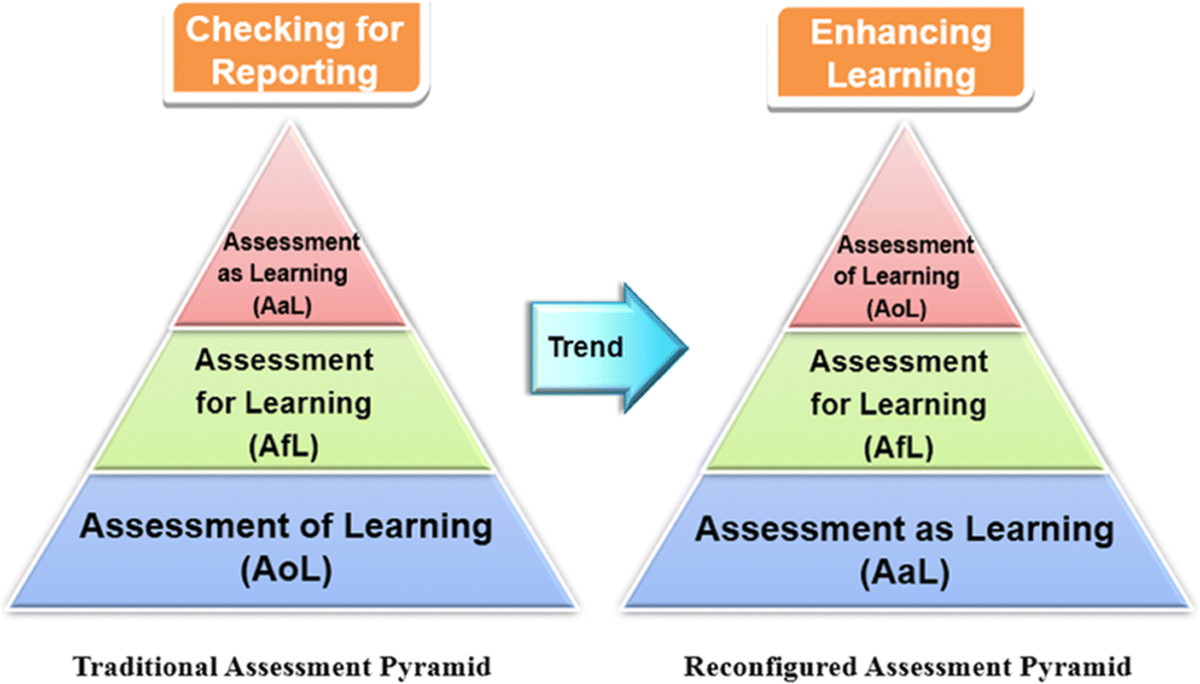
- Effective assessment strategies, both formative and summative, are vital for measuring learning and guiding teaching practices.
- Instructional design principles, informed by psychological research, aim to create optimal learning environments and materials.
- The field addresses practical applications, helping educators adapt methods to diverse student needs and promote success in the US and globally.
Key Learning Theories in Modern Educational Psychology Studies
Modern educational psychology is built upon a foundation of diverse learning theories, each offering unique perspectives on how individuals acquire knowledge and skills. Behaviorism, pioneered by figures like B.F. Skinner, focuses on observable behaviors and their modification through reinforcement and punishment. While its direct application in classrooms has evolved, its principles of routine, immediate feedback, and clear behavioral expectations still influence classroom management. Cognitivism, which gained prominence in the mid-20th century, shifted the focus to internal mental processes such as memory, perception, and problem-solving. Theorists like Jean Piaget emphasized stages of cognitive development, suggesting that children construct knowledge through interaction with their environment. Lev Vygotsky’s sociocultural theory highlighted the critical role of social interaction and cultural tools in cognitive development, introducing concepts like the Zone of Proximal Development (ZPD), which describes the gap between what a learner can do independently and what they can achieve with guidance. Constructivism, building on Piaget and Vygotsky, posits that learners actively build their own understanding and knowledge of the world through experience and reflection. This perspective encourages student-centered learning, inquiry-based approaches, and collaborative projects, where students are not passive recipients but active creators of meaning. Humanistic theories, represented by thinkers like Abraham Maslow and Carl Rogers, stress the importance of individual potential, self-actualization, and the learner’s emotional well-being. These theories remind educators to consider students’ holistic needs, fostering a supportive and empathetic learning environment where motivation is nurtured through a sense of belonging and competence. These frameworks continue to shape how curriculum is developed and how teachers approach instruction and student interaction.
Cognitive Processing as a Key Concept in Educational Psychology Studies
Understanding how the mind processes information is fundamental to educational psychology. Cognitive processes dictate how students attend to, interpret, store, and retrieve information. Attention, the ability to focus on specific stimuli while ignoring others, is the first step in learning. Educators frequently use techniques to capture and maintain student attention, such as varying instructional methods, asking questions, and incorporating interactive elements. Memory is another critical component, comprising working memory (for short-term processing) and long-term memory (for permanent storage). Effective teaching often involves strategies to move information from working memory to long-term memory, such as elaboration, organization, and repetition. Metacognition, or “thinking about thinking,” is a higher-order cognitive skill where learners understand and control their own learning processes. Students with strong metacognitive skills can monitor their comprehension, plan learning strategies, and evaluate their progress. Problem-solving and critical thinking are also central to cognitive educational psychology. These skills involve analyzing situations, generating solutions, and evaluating outcomes. Educators promote these abilities by presenting real-world challenges, encouraging independent inquiry, and fostering logical reasoning. For example, in the US, many curricula now emphasize project-based learning to develop these advanced cognitive functions. By studying these processes, researchers and practitioners can design instruction that aligns with how the brain naturally learns, making learning more efficient and effective.
Motivation and Social Learning: Central Concepts in Educational Psychology Studies
Motivation is a powerful driver of learning, influencing students’ effort, persistence, and engagement. Educational psychology distinguishes between intrinsic motivation, which comes from within (e.g., enjoyment of learning, curiosity), and extrinsic motivation, which is driven by external rewards or pressures (e.g., grades, praise). Research suggests that fostering intrinsic motivation leads to deeper learning and greater long-term success. Self-efficacy, a concept introduced by Albert Bandura, refers to a student’s belief in their ability to succeed in specific tasks. High self-efficacy is strongly linked to greater effort and perseverance in academic challenges. Teachers can build self-efficacy by providing opportunities for success, offering constructive feedback, and modeling effective strategies. Emotions also play a significant role; positive emotions like excitement can facilitate learning, while negative emotions such as anxiety or boredom can impede it. Creating a positive emotional climate in the classroom is therefore crucial. Social learning theory, also developed by Bandura, emphasizes that learning occurs within a social context through observation and imitation. Students learn by watching their peers and teachers, particularly when they observe positive outcomes from desired behaviors. This includes the importance of role models, collaborative learning groups, and peer tutoring, which allow students to learn from and with each other. The social dynamics of a classroom, including teacher-student relationships and peer interactions, profoundly influence student motivation and learning outcomes.
Assessment and Effective Instruction: Core Concepts in Educational Psychology Studies
Assessment is an integral part of the learning process, and educational psychology provides frameworks for creating and using assessments effectively. Assessments serve multiple purposes: diagnostic (identifying prior knowledge), formative (monitoring learning during instruction and providing feedback), and summative (evaluating overall learning at the end of a unit). Formative assessment is particularly valuable as it allows teachers to adjust their instruction in real-time to meet student needs, while summative assessments provide a comprehensive measure of achievement. Key principles of good assessment include reliability (consistency of results) and validity (measuring what it’s supposed to measure). Fairness in assessment is also paramount, ensuring that all students have an equal opportunity to demonstrate their knowledge. Effective instructional design, informed by educational psychology, involves systematically planning, developing, and delivering teaching materials and activities to optimize learning. This includes principles like differentiating instruction to cater to diverse learning styles and abilities, providing clear learning objectives, structuring content logically, and incorporating active learning strategies. For example, teachers might use reciprocal teaching, which combines prediction, questioning, clarifying, and summarizing, to help students improve reading comprehension. The integration of technology in education is another area where educational psychology offers insights, guiding the development of digital tools and platforms that support learning. The goal is to create environments and methods that not only impart knowledge but also foster critical thinking, creativity, and a lifelong love of learning.