How to provide good pet mental stimulation daily?

Ensuring our beloved pets lead fulfilling lives goes beyond just providing food and shelter; it crucially involves consistent pet mental stimulation. Just like humans, animals need engaging activities to challenge their minds, prevent boredom, and reduce behavioral issues. A lack of mental engagement can lead to destructive habits, anxiety, and even depression in pets, regardless of their species. Integrating mental challenges into their daily routine is a simple yet powerful way to improve their overall health and happiness.

Overview
- Daily pet mental stimulation is essential for well-being, preventing boredom and behavioral problems.
- Interactive play, such as fetch, tug, and hide-and-seek, is a fundamental way to engage pets mentally.
- Incorporating short, positive training sessions into the daily routine offers excellent mental exercise.
- Environmental enrichment through puzzle feeders, scent games, and rotating toys keeps pets engaged.
- Safe chew toys and regular opportunities to explore new scents are vital for canine and feline mental health.
- Socialization and exposure to novel experiences help pets adapt and provide rich pet mental stimulation.
- Variety is key to preventing habituation and keeping pets consistently interested in their mental challenges.
Daily Play and Interactive Pet Mental Stimulation
One of the most straightforward and effective methods for providing pet mental stimulation is through interactive play. This isn’t just about physical exercise; it’s about engaging their instincts, problem-solving skills, and focus. For dogs, games like fetch, tug-of-war, or hide-and-seek with toys or treats can be incredibly stimulating. Vary the types of toys you use – soft, squeaky, textured – to keep their interest piqued. Rotate toys regularly so they always feel “new” and exciting. Cats, on the other hand, benefit from games that mimic hunting, such as wand toys with feathers or small, chaseable objects. Laser pointers, used cautiously and always ending with a tangible reward to prevent frustration, can also be stimulating. The key is to be present and engaged during play, using praise and positive reinforcement to make it a rewarding experience for your pet. Even short, multiple play sessions throughout the day can make a significant difference in their daily pet mental stimulation needs.
Incorporating Training into Daily Pet Mental Stimulation
Training is not just for puppies or for teaching obedience; it’s a fantastic form of pet mental stimulation for animals of all ages. Daily, short training sessions, even just 5-10 minutes, can provide immense mental exercise. For dogs, revisit basic commands like “sit,” “stay,” “come,” or “down.” Once these are solid, introduce new tricks such as “shake a paw,” “roll over,” or “bow.” Clicker training can be particularly effective, as it sharpens their focus and understanding of cause and effect. Even cats can be trained to respond to their names, come when called, or high-five. These activities require concentration and critical thinking, burning mental energy effectively. Many pet owners across the US are finding success with positive reinforcement training methods to keep their pets sharp and engaged. The satisfaction of learning a new skill provides a boost to their confidence and strengthens the bond between you and your pet, serving as a powerful form of daily pet mental stimulation.
Environmental Enrichment for Pet Mental Stimulation
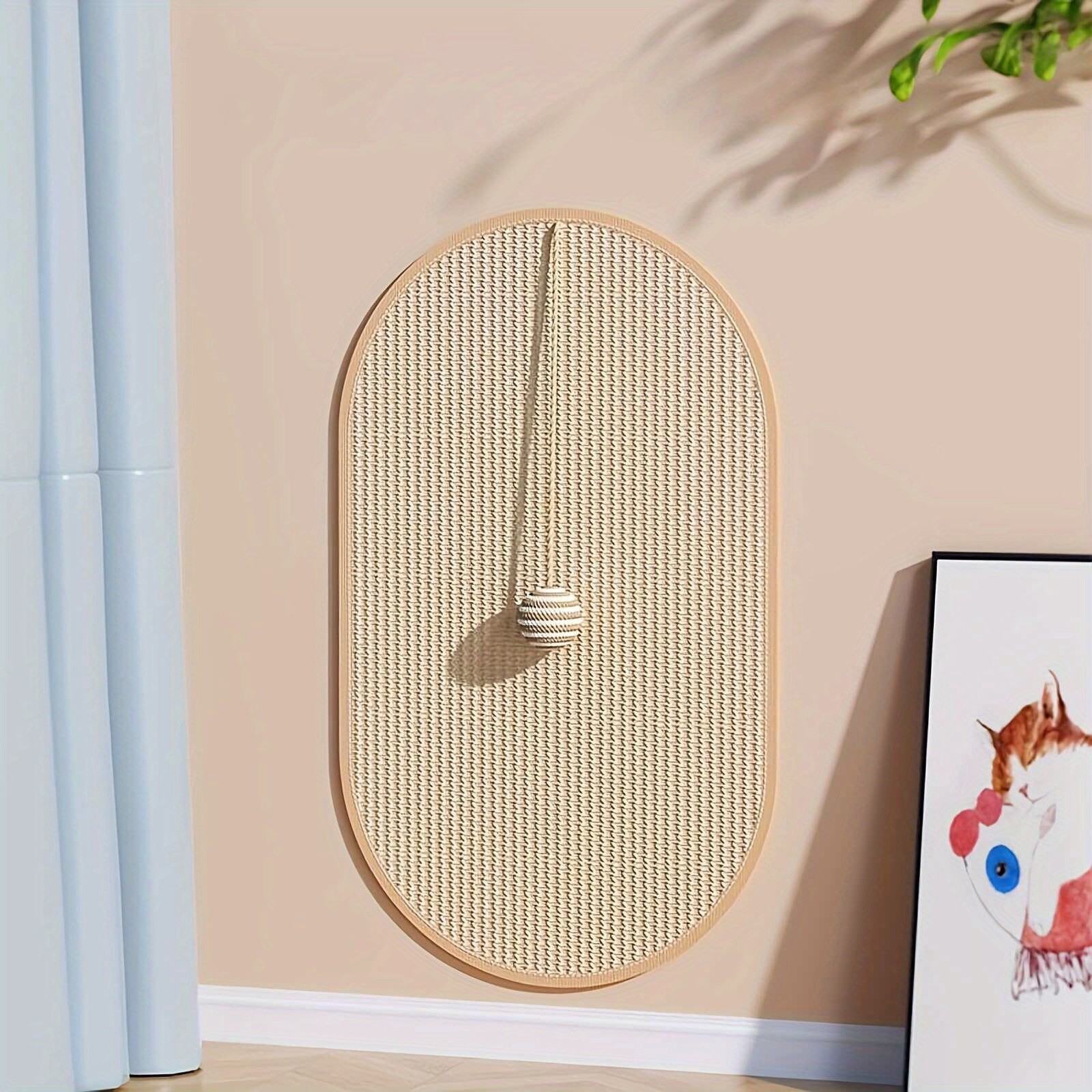
Creating an enriching environment is crucial for consistent pet mental stimulation, especially for pets who spend a significant amount of time indoors. Puzzle feeders and slow feeders are excellent tools that make pets “work” for their meals, stimulating their natural foraging instincts. Instead of simply eating from a bowl, they have to manipulate the toy to release treats or kibble, engaging their brains and slowing down mealtime. Scent games or nose work are also incredibly beneficial. Hiding treats around the house and encouraging your dog or cat to find them uses their powerful sense of smell, which is highly stimulating. For cats, vertical space like cat trees or shelves provides opportunities for climbing and surveying their territory, which is mentally satisfying. Ensure access to safe chew toys, as chewing is a natural, stress-relieving activity that also provides pet mental stimulation by engaging their oral senses. Rotating these items keeps their environment fresh and interesting, continually offering new challenges.
Socialization and Novelty for Pet Mental Stimulation
Providing consistent pet mental stimulation also involves thoughtful socialization and exposure to novelty. For dogs, safe and supervised interactions with other friendly dogs at a dog park or during walks can be incredibly stimulating. Meeting new people, experiencing different sounds, and exploring varied environments – like a new walking route, a trip to a pet-friendly store, or even a short car ride – all offer a wealth of sensory information that engages their minds. For cats, novelty might involve new window perches with different views, a safe outdoor enclosure (catio), or simply new objects introduced into their familiar space. The key is to introduce these experiences gradually and positively, ensuring your pet feels safe and enjoys the process. Even listening to different types of music or having visitors over can offer a subtle form of pet mental stimulation by altering their daily routine and sensory input. Regularly introducing something new, however small, prevents boredom and keeps your pet’s mind active and adaptable.
By integrating these varied approaches into your daily routine, you can ensure your pet receives the pet mental stimulation they need to thrive. These activities don’t require extensive planning or costly gadgets; often, they simply require a little creativity and a few minutes of your time each day. A mentally stimulated pet is a happier, healthier companion, leading to a more harmonious household for everyone involved.