How does performance tracking software aid employee growth?

In today’s dynamic work environment, the way organizations manage and support their workforce has evolved significantly. Traditional annual reviews are increasingly being supplemented, or even replaced, by more continuous and data-driven approaches. At the heart of this shift lies performance tracking software, a digital tool designed not just to monitor output, but crucially, to cultivate an environment where employees can consistently develop and succeed. This technology offers a structured framework for understanding individual contributions, identifying areas for development, and aligning personal aspirations with organizational objectives, thereby playing a pivotal role in employee growth.

Overview
- Performance tracking software provides objective, data-driven insights into employee performance, moving beyond subjective assessments.
- It facilitates continuous feedback loops, allowing for timely adjustments and ongoing skill refinement.
- The software helps employees set clear, measurable goals, linking their individual efforts directly to broader company success.
- It supports career development by identifying skill gaps and recommending relevant learning opportunities.
- Performance tracking software enhances communication between managers and employees, promoting more frequent and meaningful discussions about progress.
- It enables transparent recognition of achievements, boosting morale and motivating employees to strive for higher levels of performance.
- By centralizing performance data, it creates a structured pathway for personal and professional advancement within an organization.
The integration of performance tracking software into daily operations marks a significant advancement in human resources and talent management. For many businesses in the US and globally, it has become an essential asset, moving beyond simple data collection to become a strategic instrument for employee development. This software aggregates various data points, from task completion rates and project milestones to peer feedback and self-assessments, painting a holistic picture of an employee’s contribution and potential. By making performance metrics transparent and accessible, it empowers both employees and managers to make informed decisions regarding skill acquisition, career progression, and overall professional well-being. This shift from punitive oversight to supportive enablement is fundamental to fostering a culture of continuous improvement and genuine employee growth.
Providing Objective Feedback with Performance Tracking Software
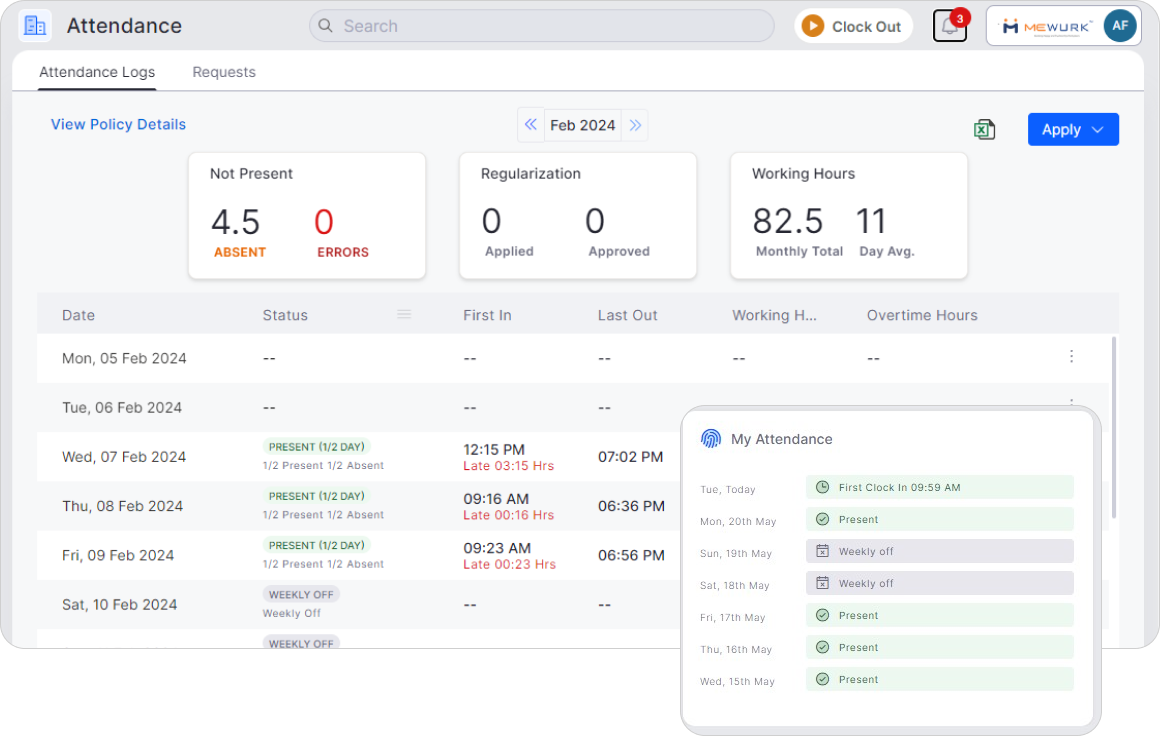
One of the most impactful ways performance tracking software aids employee growth is by delivering objective, data-driven feedback. Unlike anecdotal or infrequent feedback, which can be subjective and prone to bias, the software collects and presents concrete metrics. This could include task completion rates, project outcomes, customer satisfaction scores, or adherence to specific performance indicators. When a manager provides feedback using this data, the conversation shifts from personal opinion to measurable facts. For example, instead of saying, “You need to be more productive,” a manager can point to specific reports showing a dip in output on certain types of tasks, leading to a more constructive discussion about root causes and solutions. Furthermore, many systems allow for real-time feedback, meaning employees receive insights shortly after an event occurs, making the feedback more relevant and actionable. This continuous feedback loop helps employees understand their strengths and weaknesses with clarity, allowing them to adjust their approach and refine their skills proactively.
Supporting Goal Setting and Career Paths with Performance Tracking Software
Performance tracking software plays a crucial role in helping employees set meaningful goals and visualize their career trajectory. The platforms typically allow for the creation of SMART (Specific, Measurable, Achievable, Relevant, Time-bound) goals that can be linked directly to an individual’s role and the organization’s overarching objectives. Employees can track their progress against these goals in real-time, providing a clear sense of achievement and direction. This transparency ensures that employees understand how their daily efforts contribute to the company’s success, which is a powerful motivator. Beyond immediate goals, the software can also help identify potential career paths by analyzing an employee’s skills, performance history, and aspirations. Managers can use these insights to discuss long-term development plans, identify opportunities for promotion or lateral moves, and establish milestones for career advancement. This structured approach to goal setting and career planning helps employees feel invested in their future within the company, fostering loyalty and sustained growth.
Fostering Skill Development and Training through Performance Tracking Software
Identifying and addressing skill gaps is fundamental to employee growth, and performance tracking software is uniquely positioned to facilitate this. By aggregating performance data, feedback, and self-assessments, the software can pinpoint areas where an employee might need additional training or development. For instance, if feedback consistently highlights a need for improved communication skills, the software can suggest relevant courses, workshops, or mentorship programs. Some advanced systems even integrate with learning management systems (LMS), making it easy to recommend and track participation in training modules. This data-driven approach ensures that development efforts are targeted and effective, rather than generic. Employees gain a clear understanding of the specific skills they need to acquire or improve to excel in their current role or prepare for future opportunities. By linking performance data directly to learning recommendations, performance tracking software creates a personalized growth roadmap for each employee, driving continuous skill acquisition and competency building.
Improving Communication and Recognition with Performance Tracking Software
Effective communication and timely recognition are vital for employee morale and growth, and performance tracking software significantly enhances both. The software provides a centralized platform for regular check-ins, one-on-one meetings, and performance discussions between managers and employees. This structured communication ensures that conversations about performance and development happen consistently, preventing issues from festering and allowing successes to be celebrated promptly. Furthermore, many performance tracking software solutions incorporate features for peer feedback and recognition. Colleagues can offer constructive feedback or publicly acknowledge outstanding contributions, creating a more collaborative and supportive work environment. Transparent recognition, whether through digital badges, public shout-outs, or formal awards tracked within the system, reinforces positive behaviors and motivates employees to maintain high standards. When employees feel seen, heard, and appreciated for their efforts, it builds confidence and encourages them to take on new challenges, directly contributing to their personal and professional growth within the organization.