
Driving Six Sigma Process Improvement effectively
Master Six Sigma Prozessverbesserung effectively. Improve quality, reduce costs, and streamline operations with proven strategies.

Driving robust process improvement is fundamental for any organization aiming for sustained success. From my experience across various industries, the systematic approach of Six Sigma offers unparalleled rigor in problem-solving and efficiency gains. It’s not just a buzzword; it’s a disciplined methodology that, when applied correctly, yields tangible, measurable results.
Overview
- Six Sigma methodology provides a structured, data-driven framework for optimizing business processes.
- Effective Six Sigma Prozessverbesserung begins with clear project definition and robust data collection.
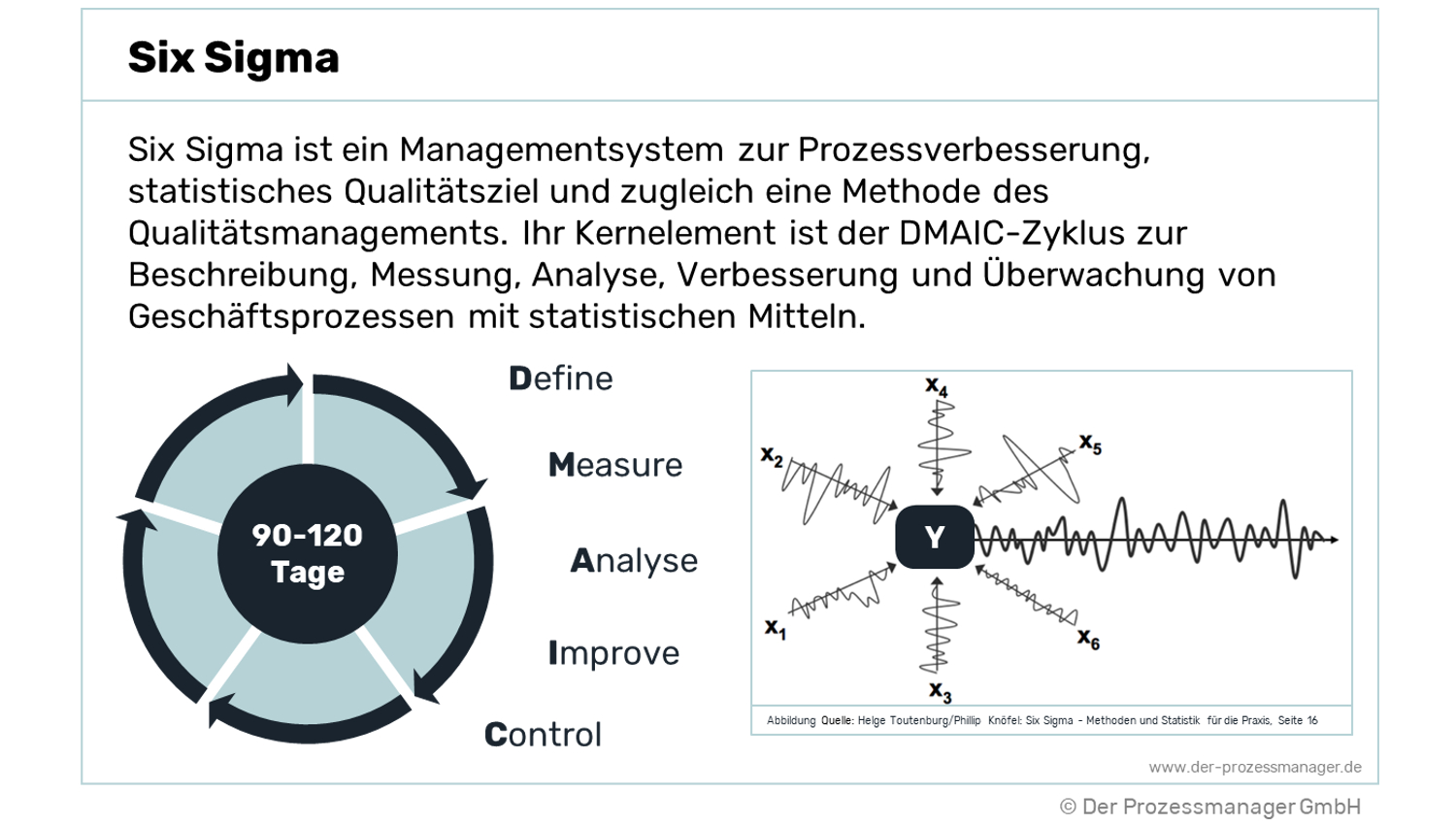
- The DMAIC (Define, Measure, Analyze, Improve, Control) roadmap guides teams through each phase of process optimization.
- Addressing common challenges, like resistance to change or inadequate resource allocation, is crucial for project success.
- Sustaining improvements requires continuous monitoring, standardization, and a culture of ongoing vigilance.
- Successful implementation relies on strong leadership support and a skilled team capable of statistical analysis.
Laying the Foundation for Six Sigma Prozessverbesserung
Successful Six Sigma Prozessverbesserung hinges on a solid start. It’s about more than just identifying a problem; it’s about defining its scope and impact with precision. We begin by clearly articulating the business problem, its financial implications, and how it affects customers. This initial phase, part of the DMAIC’s “Define” stage, ensures alignment among stakeholders. For instance, in a large manufacturing facility in the US, poor equipment uptime directly impacts production output and delivery schedules.
Key elements at this stage include developing a project charter. This document outlines the problem statement, project goals, scope, and team members. It also identifies critical-to-quality (CTQ) characteristics from the customer’s perspective. Without a clear charter, projects often drift, wasting valuable time and resources. Choosing the right project and securing leadership buy-in are paramount. A project without executive sponsorship is unlikely to receive the necessary resources or attention.
Practical Application of DMAIC Methodology
Once a project is defined, the DMAIC (Define, Measure, Analyze, Improve, Control) methodology provides a structured roadmap. In the Measure phase, we collect data to quantify the current process performance, establishing a baseline. This often involves detailed process mapping and statistical sampling. For example, to address the equipment uptime issue, we’d gather data on mean time between failures (MTBF) and mean time to repair (MTTR).
The Analyze phase uses this data to identify root causes. Tools like cause-and-effect diagrams, Pareto charts, and regression analysis help pinpoint specific factors contributing to defects or inefficiencies. We validate these root causes statistically. In the Improve phase, we develop and implement solutions addressing these root causes. This might involve process redesign, automation, or training. Finally, the Control phase establishes mechanisms to sustain the gains. This includes monitoring plans, control charts, and standardized operating procedures.
Overcoming Challenges in Six Sigma Prozessverbesserung Initiatives
Despite its rigor, implementing Six Sigma Prozessverbesserung is not without hurdles. One common challenge is resistance to change. People are often comfortable with existing processes, even inefficient ones. Effective change management strategies, including clear communication, training, and involving employees in the solution design, are essential. I’ve found that early engagement builds ownership and reduces pushback.
Another obstacle can be inadequate data availability or quality. Sometimes, the necessary process data simply isn’t being collected, or it’s inaccurate. Investing in robust data collection systems and ensuring data integrity is crucial. A project can stall if teams lack the statistical expertise to analyze complex datasets. Providing access to Green Belts and Black Belts, along with ongoing training, addresses this skills gap directly. Moreover, maintaining project momentum requires regular reviews and transparent reporting of progress.
Sustaining Gains from Operational Excellence Efforts
Achieving process improvements is one thing; making them stick is another. The “Control” phase of DMAIC is explicitly designed for this. It involves implementing monitoring systems to track the improved process and ensure it maintains performance. This often includes statistical process control (SPC) charts, which provide visual indicators of process stability. When a process shows signs of drifting, the control plan triggers corrective actions.
Standardization is another critical component. Documenting new procedures, updating work instructions, and ensuring everyone adheres to them prevents regression to old habits. Training for new employees on these updated processes is also vital. Ultimately, a culture of continuous improvement, where everyone is empowered to identify and report potential issues, solidifies the gains. This proactive approach ensures that the benefits derived from the Six Sigma Prozessverbesserung efforts are realized long-term, fostering sustained operational excellence.