Best techniques for stunning food photography on trips?

When traveling, the culinary experiences are often as memorable as the sights themselves. Capturing these delicious moments through food photography allows us to relive the flavors and share our journeys with others. Whether you’re savoring street food in a bustling market or enjoying a gourmet meal in a quaint cafe, getting that perfect shot requires a blend of skill and spontaneity. This article explores practical techniques to help you create stunning food photos, even with limited equipment and changing environments.

Overview
- Harnessing natural light is crucial for creating appealing food photography without professional setups.
- Thoughtful composition, using angles and elements, helps tell a story about the dish and its setting.
- Minimalist gear, often just a smartphone, can produce excellent results for travel food photography.
- Quick editing on the go refines images, making colors pop and details sharper before sharing.
- Understanding common challenges like low light or busy backgrounds prepares you for diverse travel scenarios.
- Practicing patience and observation will help you seize fleeting moments of perfect light and presentation.
Mastering Natural Light for Striking Food Photography
Natural light is your best friend when it comes to travel food photography. Forget about bulky studio lights; the sun provides the most flattering and authentic illumination. Always try to position your dish near a window or outdoors, especially on an overcast day when the light is softer and more diffused. Direct, harsh sunlight can create unflattering shadows and blown-out highlights, so avoid it unless you can diffuse it effectively. If direct sun is your only option, look for shade or use a menu, napkin, or even your hand to create a subtle diffuser.
Window light, particularly side or backlighting, often works wonders. Side lighting emphasizes texture and adds depth, while backlighting can make liquids glow and create a lovely rim light around the food. If the light is too strong from one side, use a white napkin, a piece of paper, or even a silver-colored phone case as a reflector to bounce some light back onto the darker areas of your dish. This simple trick can brighten shadows and balance the exposure, making your food photography more appealing.
Crafting Engaging Compositions in Travel Food Photography
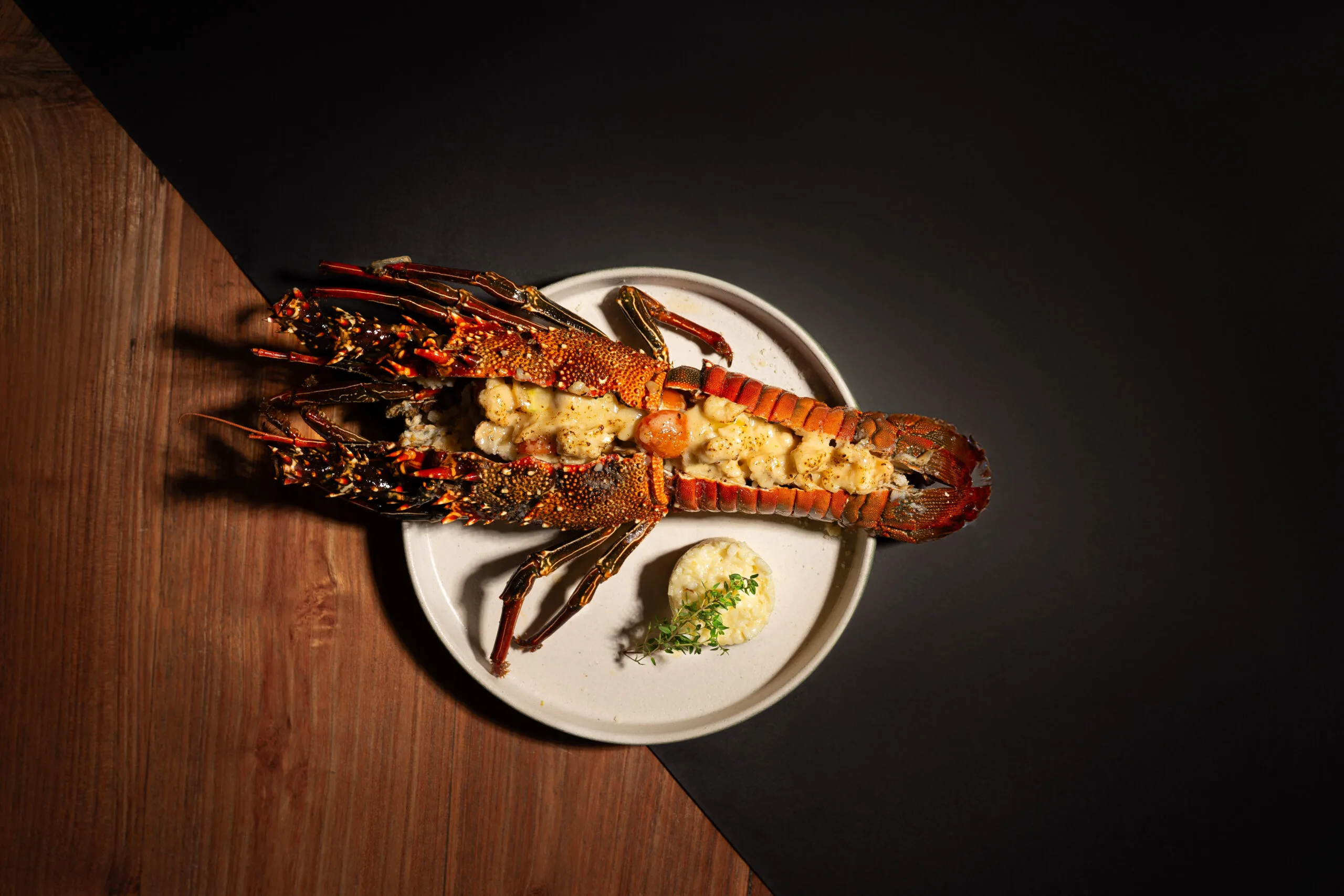
A compelling composition is key to making your food photography truly stand out. Don’t just point and shoot; take a moment to observe the dish and its surroundings. Experiment with different angles. An overhead, flat lay shot works incredibly well for dishes served on interesting plates or with many components, like a breakfast spread or a vibrant salad. This angle eliminates background distractions and focuses solely on the food’s arrangement.
For dishes with height or texture, such as a towering burger or a layered dessert, a 45-degree angle (eye-level with the food) is often more effective. This perspective helps convey the dish’s three-dimensionality. Don’t be afraid to get even lower for a hero shot that makes the food appear grander. Use the rule of thirds, imagining a grid over your image and placing your main subject off-center, to create a more dynamic and interesting photo. Incorporate elements from your environment, like a rustic wooden table, a colorful tablecloth, or even a glimpse of the city outside the window, to add context and tell a story about where you are. Negative space, or empty areas around your subject, can also draw attention to the food itself.
Essential Gear and Setup Tips for On-the-Go Food Photography
One of the best aspects of travel food photography is that you don’t need a professional camera rig. Many stunning images are captured using just a smartphone. Modern smartphone cameras, especially those available across the US, offer incredible capabilities, including portrait modes for bokeh and excellent low-light performance. If you’re using a phone, ensure your lens is clean—a quick wipe can make a huge difference.
For those who prefer a dedicated camera, a compact mirrorless camera with a versatile prime lens (like a 50mm equivalent) or a zoom lens is ideal. These setups are lightweight and produce high-quality results. A small, portable tripod can be useful for low-light situations or when you want consistent angles, but it’s often not necessary. A small diffuser or reflector (even DIY ones like white paper) can fit easily into your bag. The goal is to keep your gear minimal and manageable so it doesn’t become a burden while you’re exploring. Always carry extra battery packs or power banks, especially for smartphone users, as photo-taking can quickly drain power.
Post-Processing and Sharing Your Travel Food Photography
Once you’ve captured your photos, a little post-processing can truly make them shine. You don’t need complex software; many free or affordable mobile editing apps like Snapseed, Lightroom Mobile, or even your phone’s built-in editor offer powerful tools. Focus on basic adjustments:
- Brightness and Contrast: To give your photos more pop.
- Exposure: Correcting overly dark or bright areas.
- Highlights and Shadows: Recovering detail in blown-out or crushed areas.
- White Balance: Ensuring colors are accurate and natural.
- Saturation and Vibrance: Adding a bit of life to the colors without making them look artificial.
- Sharpness: To bring out fine details in the food.
Avoid over-editing; the goal is to enhance the natural beauty of the food, not to create an unrealistic image. After editing, your photos are ready to be shared! Social media platforms are perfect for showcasing your culinary adventures. When sharing, use relevant hashtags to reach a wider audience interested in food photography, travel, and specific cuisines. Engage with comments and questions, sharing tips or stories about the dish and location. This not only builds a connection with your audience but also inspires others to explore culinary delights during their travels.