
How does attendance management improve workforce oversight?
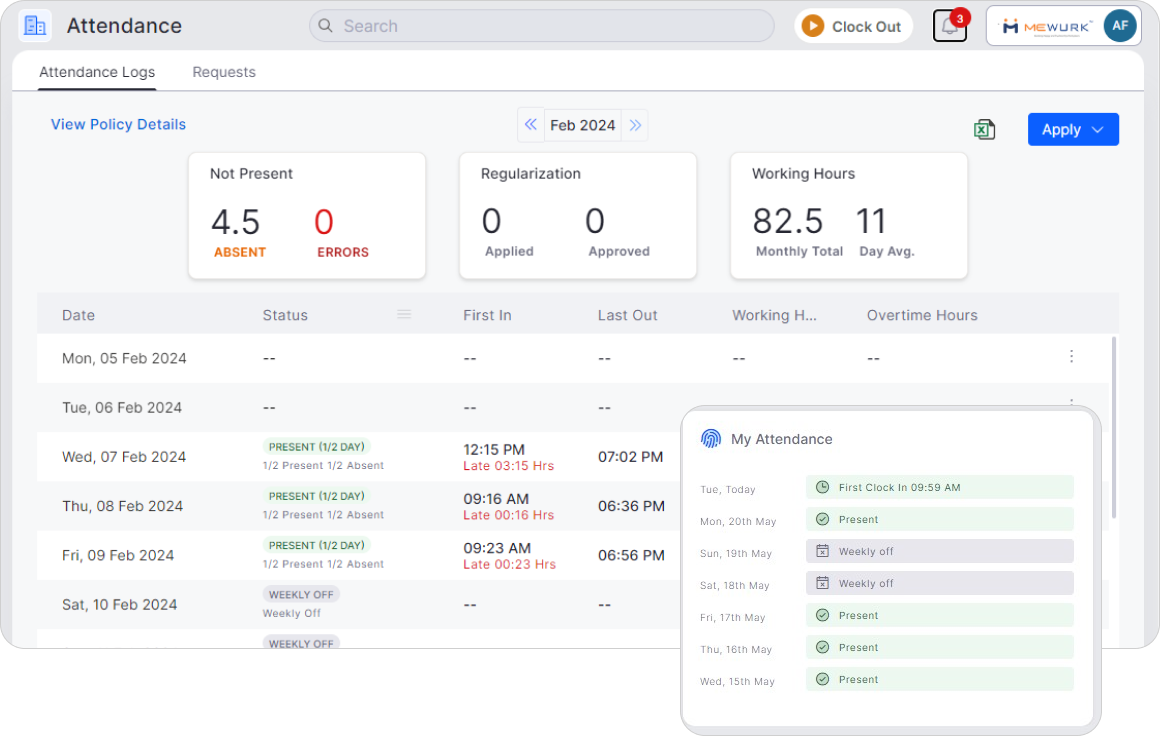
Effective attendance management is more than just clocking in and out; it’s a foundational element of sound workforce oversight. By systematically tracking when and how employees are present, organizations gain deep insights into their operational rhythms, employee behaviors, and overall productivity. This active monitoring allows businesses to make data-driven decisions, ensuring that resources are optimally allocated and potential issues are addressed proactively. Ultimately, a well-implemented attendance management system becomes a critical tool for maintaining a healthy, compliant, and efficient work environment.
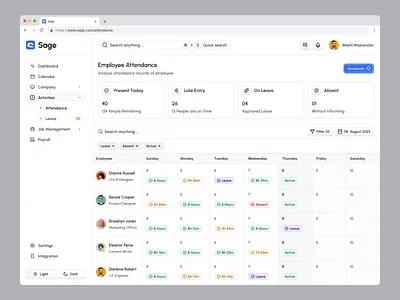
Overview
- Attendance management provides real-time data on employee presence, absence, and punctuality.
- It directly aids in accurately calculating labor costs and optimizing staffing levels.
- Robust systems help ensure adherence to labor laws, such as wage and hour regulations, particularly in the US.
- Collected attendance data supports strategic workforce planning and resource allocation.
- Insights from attendance records can flag potential issues impacting employee engagement and performance.
- Automated attendance management reduces administrative burden and minimizes errors compared to manual methods.
- It contributes to a fair and transparent work environment for all employees.
How Attendance Management Boosts Productivity and Efficiency Oversight
Modern attendance management systems move beyond simple timekeeping to offer powerful analytics that directly impact productivity and efficiency oversight. By capturing accurate data on employee work hours, breaks, overtime, and absences, businesses can pinpoint patterns and areas for improvement. For instance, frequent short-term absences in a particular department might signal underlying issues with workload, morale, or management, prompting a closer look. Similarly, consistent overtime in specific roles can indicate understaffing or inefficient scheduling.
This granular data allows managers to make informed decisions about staffing levels, work assignments, and process improvements. Real-time dashboards can display current attendance statuses, enabling supervisors to quickly identify missing team members and reallocate tasks to avoid bottlenecks. Furthermore, the automation inherent in digital attendance management reduces the administrative time spent on manual calculations and approvals, freeing up HR and management to focus on more strategic tasks. This direct link between tracking presence and optimizing workflow directly contributes to a more productive and efficient operation, offering clear oversight into how time is utilized across the organization.
How Attendance Management Strengthens Compliance and Risk Oversight
One of the most critical aspects of robust attendance management is its role in ensuring compliance with labor laws and mitigating legal risks. In the US, for example, federal and state wage and hour laws, such as the Fair Labor Standards Act (FLSA), mandate accurate record-keeping of hours worked for non-exempt employees. Without precise attendance records, organizations face significant risks of wage disputes, audits, and costly penalties. An effective attendance management system automatically tracks these hours, calculates overtime according to regulations, and maintains an auditable trail of all attendance data.
Beyond wage and hour laws, attendance management also helps enforce company policies regarding punctuality, leave requests, and attendance standards. This consistency ensures fairness across the workforce and reduces the likelihood of discrimination claims. By standardizing the process for requesting and approving leave, and documenting all attendance-related incidents, businesses create a protective layer against potential legal challenges. This proactive approach to compliance through diligent attendance management is essential for maintaining a healthy legal standing and reducing operational risks.
How Attendance Management Informs Strategic Workforce Planning Oversight
The data generated by attendance management systems is invaluable for strategic workforce planning. Beyond day-to-day operations, these insights help organizations forecast future staffing needs, manage labor budgets, and make informed decisions about resource allocation. Historical attendance data, including trends in absenteeism, seasonal fluctuations in workload, and patterns of overtime, can be analyzed to predict future staffing requirements more accurately. This allows businesses to plan for hiring, training, or redeploying staff well in advance, avoiding sudden shortages or overstaffing.
For example, if data consistently shows a spike in absenteeism during certain months or days of the week, management can proactively adjust schedules or increase temporary staffing during those periods. Furthermore, by understanding labor cost distribution based on actual hours worked, finance departments can create more accurate budgets and control expenses. This strategic oversight, driven by reliable attendance management data, enables organizations to build a more resilient and adaptable workforce, aligned with both short-term operational demands and long-term business goals.
How Attendance Management Fosters Employee Engagement and Performance Oversight
Effective attendance management can significantly influence employee engagement and provide valuable insights into individual and team performance. When attendance policies are clear, consistently applied, and supported by a transparent system, employees perceive fairness and accountability. This can lead to increased trust in management and a more positive work environment. Conversely, a lack of clear attendance management can breed resentment among employees who consistently show up on time and work diligently, feeling that others are not held to the same standard.
From a performance oversight perspective, attendance data can be a key indicator. Chronic lateness or frequent unscheduled absences might signal disengagement, burnout, or personal issues that could impact an employee’s ability to perform their duties effectively. Managers can use this information not as a punitive measure, but as a prompt for constructive conversations, offering support or resources where needed. Integrating attendance records with performance reviews provides a more holistic view of an employee’s contribution, allowing for more objective evaluations and targeted interventions to support well-being and productivity. This proactive approach helps maintain a motivated and high-performing workforce.


