Designing fair and effective learning assessment.
Effective learning assessment is more than just assigning grades; it’s a critical component of the educational process that shapes student understanding, informs instruction, and ultimately contributes to student success. When assessment practices are well-designed, they accurately reflect what students have learned, provide valuable insights for both educators and learners, and foster a positive environment for growth. Conversely, poorly designed assessments can lead to frustration, misrepresentation of knowledge, and perpetuate inequities. The goal is to create systems that are not only rigorous but also fair, transparent, and genuinely supportive of diverse learning needs. This involves a thoughtful approach to planning, implementation, and interpretation, ensuring that every student has an opportunity to demonstrate their capabilities.
Overview
- Learning assessment serves as a vital tool for understanding student comprehension and guiding instructional improvements.
- Fair assessment ensures all students, regardless of background, have an equitable opportunity to demonstrate their knowledge and skills.
- Effective assessment aligns directly with stated learning objectives, providing meaningful data on student progress.
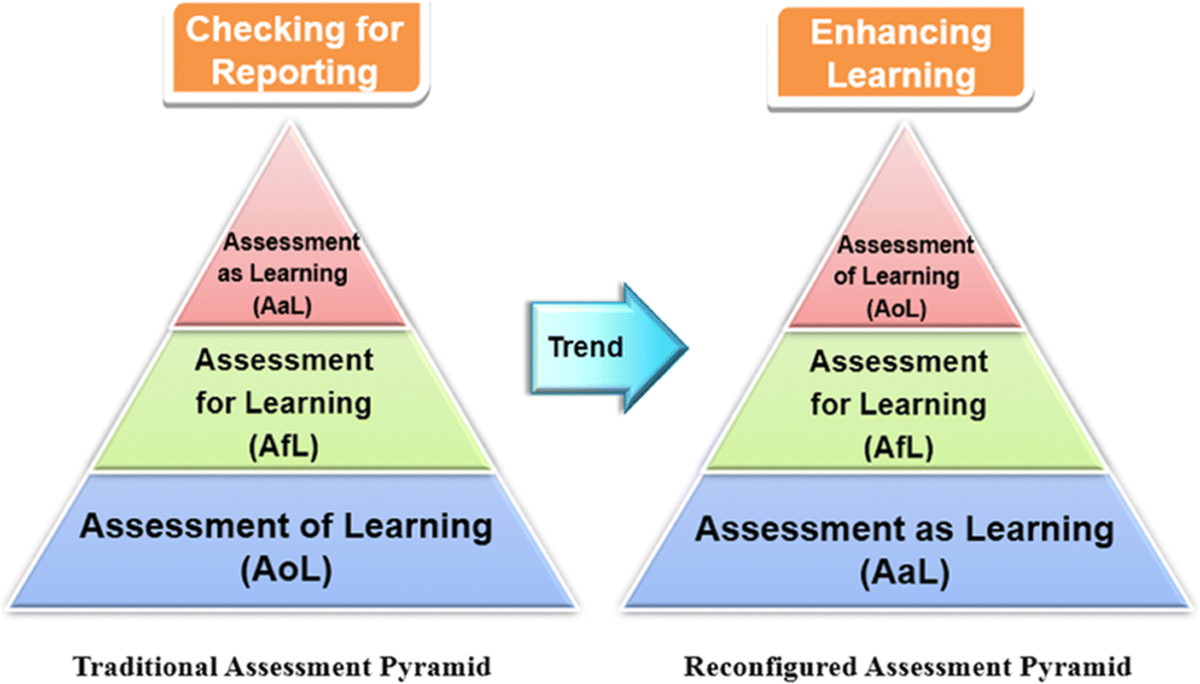
- Designing assessments requires consideration of various methods, including formative checks and summative evaluations, to gain a holistic view.
- Addressing potential biases, such as cultural or linguistic predispositions, is crucial for promoting equity in learning assessment.
- Feedback from assessments should be timely, specific, and actionable, enabling students to understand their strengths and areas for development.
- The principles of Universal Design for Learning (UDL) can be applied to learning assessment to make it accessible to a wider range of learners.
- Learning assessment data can be used to reflect on teaching strategies and curriculum effectiveness, leading to continuous improvement.
Establishing Principles for Fair Learning Assessment
Designing a fair learning assessment system begins with a clear commitment to equity and transparency. Fairness means that assessments are free from bias, accessible to all students, and truly measure the intended learning, not extraneous factors. This requires educators to critically examine assessment tasks for cultural relevance, language complexity, and potential socio-economic barriers. For instance, an assessment might inadvertently favor students from certain cultural backgrounds or those with specific prior experiences, thereby disadvantaging others. In the US, ongoing discussions around standardized testing often highlight concerns about fairness and equity, prompting calls for more varied and culturally responsive assessment methods. A cornerstone of fairness is ensuring that students understand what is expected of them and how their work will be evaluated. Clear rubrics, detailed instructions, and opportunities for clarification before the assessment are paramount. Furthermore, offering diverse ways for students to demonstrate their learning – beyond traditional written tests – can significantly enhance fairness, acknowledging that individuals process and express knowledge differently.
Strategies for Effective Learning Assessment Design
An effective learning assessment is one that accurately measures what it purports to measure and provides useful information for teaching and learning. The primary strategy for effective design is alignment: ensuring that assessment tasks directly correspond to the defined learning objectives and instructional activities. If a learning objective is for students to “analyze primary sources,” then the assessment should require them to analyze primary sources, not just recall facts about them. Utilizing a variety of assessment methods is another key strategy. Formative assessments, such as short quizzes, exit tickets, or classroom discussions, provide ongoing feedback throughout a unit, allowing educators to adjust instruction and students to monitor their own learning. Summative assessments, like projects, presentations, or final exams, evaluate learning at the end of a unit or course. Combining these approaches offers a more accurate and nuanced picture of student understanding. Effective assessments also provide actionable feedback, helping students understand where they succeeded and where they need to improve, rather than just assigning a score. This feedback loop is essential for continuous improvement.
Addressing Bias and Promoting Equity in Learning Assessment
Mitigating bias and promoting equity are central to creating meaningful learning assessment. Bias can manifest in various forms, including implicit bias in an educator’s judgment, cultural bias embedded in test questions, or even systemic bias in the resources available to different student groups. To address this, educators must actively work to make assessments culturally responsive and linguistically appropriate. This might involve using examples that resonate with diverse student experiences, offering accommodations for English language learners, or providing multiple response formats. For example, instead of solely relying on written essays, allowing students to create multimedia presentations or conduct oral reports can level the playing field. Employing the principles of Universal Design for Learning (UDL) in learning assessment is a powerful approach. UDL encourages designing assessments with flexibility in mind from the outset, providing multiple means of engagement, representation, and action/expression, thereby removing barriers for students with diverse needs. Regular review of assessment data, disaggregated by demographic groups, can also reveal patterns of inequity, prompting necessary adjustments to assessment practices.
The Role of Feedback and Reflection in Learning Assessment
Feedback and reflection are integral, not ancillary, components of a truly effective learning assessment system. High-quality feedback is timely, specific, and focused on helping students understand their progress relative to learning goals. It moves beyond simple correctness to explain why something is correct or incorrect and how to improve. This kind of feedback empowers students to take ownership of their learning, promoting self-regulation and deeper understanding. Beyond teacher-provided feedback, encouraging student self-assessment and peer assessment can further foster reflective practice. When students evaluate their own work or that of their peers against established criteria, they develop critical thinking skills, internalize learning standards, and gain a more profound insight into their own learning processes. This continuous cycle of learning assessment, feedback, and reflection not only enhances student outcomes but also provides invaluable data for educators. By analyzing common misconceptions revealed through assessments and student reflections, teachers can refine their instructional strategies, adjust curriculum content, and continually improve the overall learning experience for all.